Martin Malý — 17.04.2026
Reliable company with good communication and solid service.


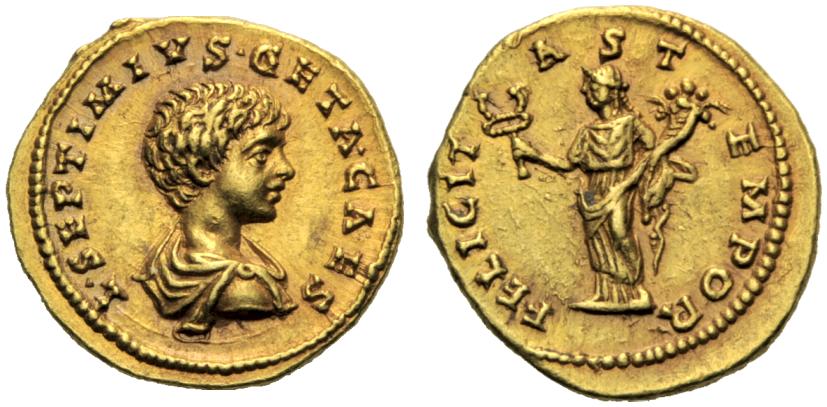
This extremely rare gold aureus represents an exceptional fusion of historical tragedy, numismatic rarity, and the exquisite artistic craftsmanship of an eastern mint.
Ruler: Geta (reigned 209–211 AD), struck here as Caesar (198–209 AD).
Denomination: Aureus
Material: Gold (Au)
Weight: 7.13 g
Mint: Laodicea ad Mare (present-day Latakia, Syria).
Date: 198–200 AD.
References: RIC 95, C 43 (400 Fr.), Calicó 2882 (Rarity grade R2).
Provenance: H.D. Rauch Auction 89, lot 1731.
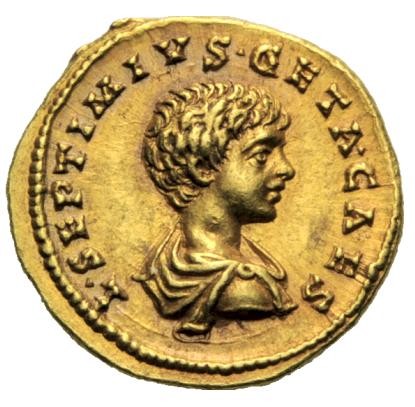
Obverse: L SEPTIMIVS GETA CAES. Detailed draped bust of the young Geta facing right. The portrait displays typical features of the Syrian school of engraving, with a delicate emphasis on the youthful features of the future emperor.
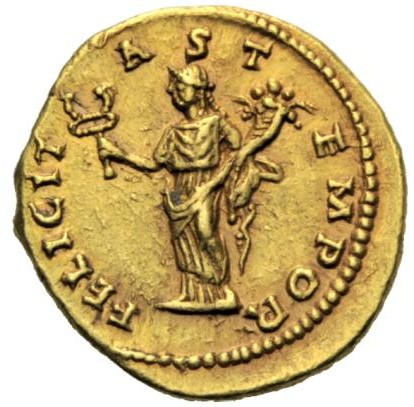
Reverse: FELICIT-AS T-EMPOR ("The Happiness of These Times"). The goddess Felicitas standing frontally, head to the left. She holds a caduceus (symbol of peace and commerce) and a cornucopiae (horn of plenty).
Condition: The coin is described as a magnificent specimen (Prachtexemplar) with a very fine, noble patina. A slight die debris (unclean die) is visible on the reverse, which is a common and authentic feature of these field issues. Grade: Extremely Fine (EF / vzgl.).
This piece belongs to the RR (Extremely Rare) category. In the most significant global numismatic databases, only 3 specimens of this type are traceable, including this one.
Damnatio memoriae: The primary reason for the rarity of Geta’s coinage is the brutal fratricidal struggle. After Geta was murdered by his brother Caracalla, the erasure of his name and face from history was ordered. Gold coins were recalled en masse and melted down.
Eastern Mintage: While Roman issues are more common, emissions from Laodicea ad Mare were primarily intended for legions operating in the East and have survived in negligible numbers.
Documented Origin: The value of the coin is significantly bolstered by its history. A clear auction pedigree is a key factor in "top-tier" numismatics for confirming authenticity and investment stability.
The inscription FELICITAS TEMPOR on the reverse seems chillingly ironic in the context of Geta’s fate. While the coin proclaimed "happy times," a deep-seated hatred raged between Geta and his brother Caracalla, ending in 211 AD with Geta's murder in the arms of their mother, Julia Domna. While Caracalla succeeded in erasing his brother from stone inscriptions and statues, these rare gold aurei remain the last tangible evidence of the existence of the young emperor whom history was meant to forget.
If interested, please contact us at
info@numfil.com
信任、保密和个性化服务是收藏品投资成功的基石。
Reliable company with good communication and solid service.
The long-standing tradition is evident at every step. The individual approach and deep market knowledge are a great advantage. I definitely recommend it.
I greatly appreciate the personal approach and the willingness to explain everything in detail. The services are of a high standard and reflect many years of experience. Mr. Petr Kovaljov was very professional.
Very high-quality consulting and an individual approach. Thanks to their experience, I was able to avoid risks and invest wisely.
Professional services from A to Z. Transparency, security, and trust are a given here. I definitely recommend it to other clients.
我们与客户的沟通将以绝对的谨慎和有所担保为基础。
联系我们, 我们会尽快回答客户的疑问。